Blankenberge is a coastal municipality in the province of West Flanders, Belgium. With a population of around 20,000, it has been a favourite holiday destination for Belgian families — and increasingly for international visitors — since the late 19th century. When people search for a vacation in Blankenberge, they are tapping into a tradition that goes back to the Belle Époque era of grand hotels, promenade strolls, and sea-bathing culture.
A Brief History
Blankenberge's development as a seaside resort began in earnest during the 1860s and 1870s, when the Belgian coast became fashionable among the middle and upper classes. The town's name — meaning "white mountain" — refers to the white chalk cliffs that once characterised this stretch of coastline before they were reshaped by coastal engineering.
The early 20th century was Blankenberge's golden age. Elegant hotels, casinos, and the famous Belle Époque architecture lined the seafront. The Belle Époque Centre museum preserves this heritage with period rooms, costumes, and photographs that bring the era to life.
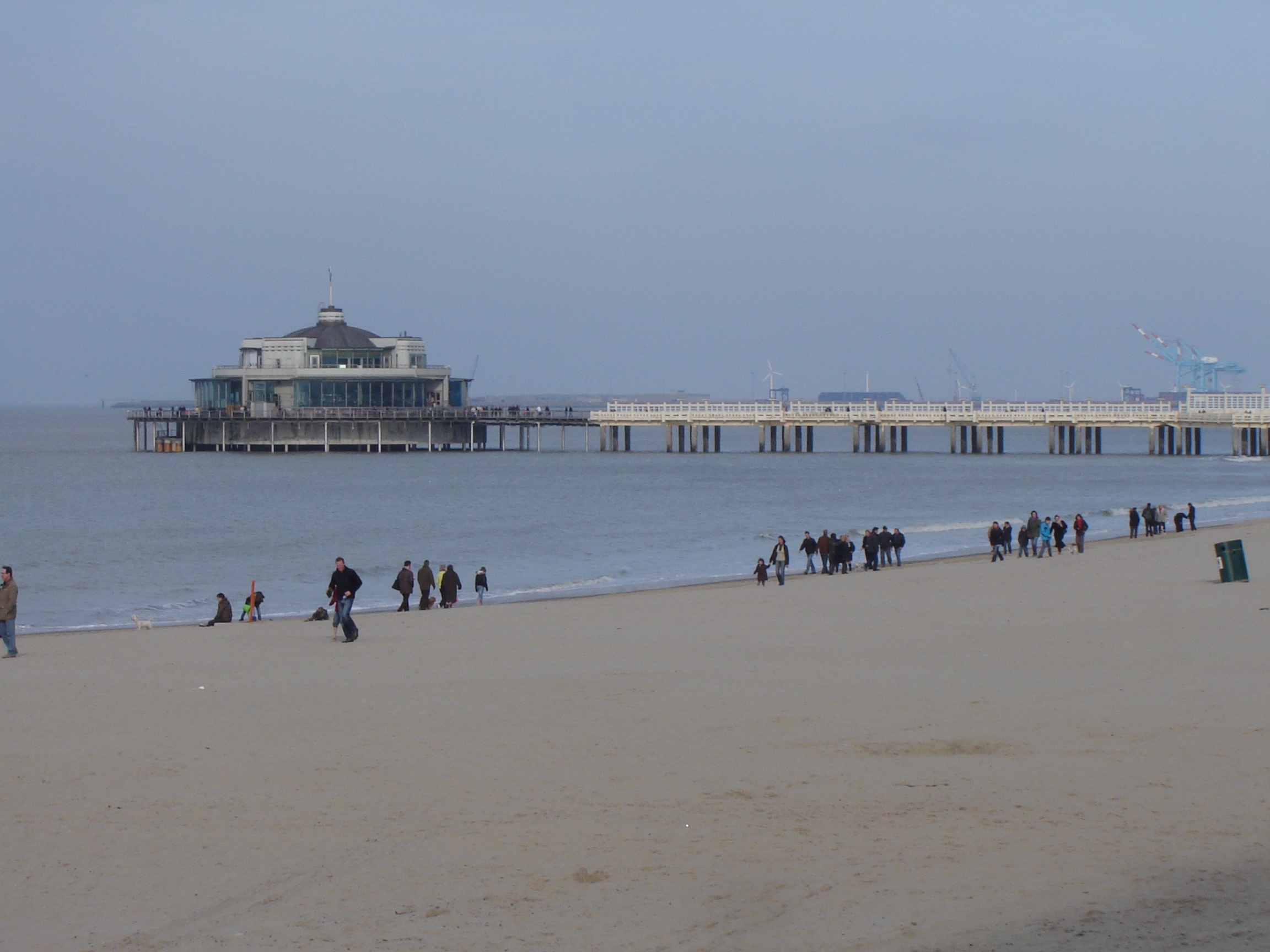
The iconic Blankenberge Pier was originally built in 1933 and has been rebuilt and renovated several times since. Today it remains one of only a handful of sea piers on the Belgian coast and is a symbol of the town.
Where Is Blankenberge?
Blankenberge sits on the North Sea coast, roughly halfway between the French border and the Netherlands. It is part of the Belgian coastal strip that includes, from west to east:
- De Panne — Belgium's westernmost beach, near the French border
- Koksijde, Nieuwpoort, Middelkerke, Ostend
- Blankenberge — right in the middle of the action
- Wenduine, De Haan, Bredene
- Knokke-Heist — the most upscale resort, near the Dutch border
The town centre is compact and walkable. The beach, pier, and Zeedijk (sea dike/promenade) are all within easy reach of the residential areas behind the seafront.
What Makes Blankenberge Special?
Family-Friendly Atmosphere
Blankenberge has always positioned itself as a family resort. The beach is wide and gently sloping, with shallow water that is safe for children. Attractions like Sea Life, the Merry Velodrome, and Leopold Park with mini-golf and go-karts keep younger visitors entertained even on rainy days.
Affordable Compared to Neighbours
While Knokke-Heist attracts a luxury crowd and Ostend has a more urban feel, Blankenberge offers excellent value. Accommodation, dining, and activities are generally more affordable, making it popular with Belgian families who return year after year.
Excellent Transport Links
Blankenberge has its own train station with direct services to Bruges (about 15 minutes), Brussels (about 1 hour 20 minutes), and Antwerp. The coastal tram (Kusttram) — the longest tram line in the world — connects all coastal towns and is a scenic way to explore the region without a car.
Year-Round Appeal
Summer is peak season for beach holidays, but Blankenberge is worth visiting in any season. Spring brings quieter streets and beautiful light for photography. Autumn is ideal for long coastal walks and cycling through the polders. Winter has its own charm, with Christmas markets and cosy restaurants along the promenade.
The Zeedijk and Seafront
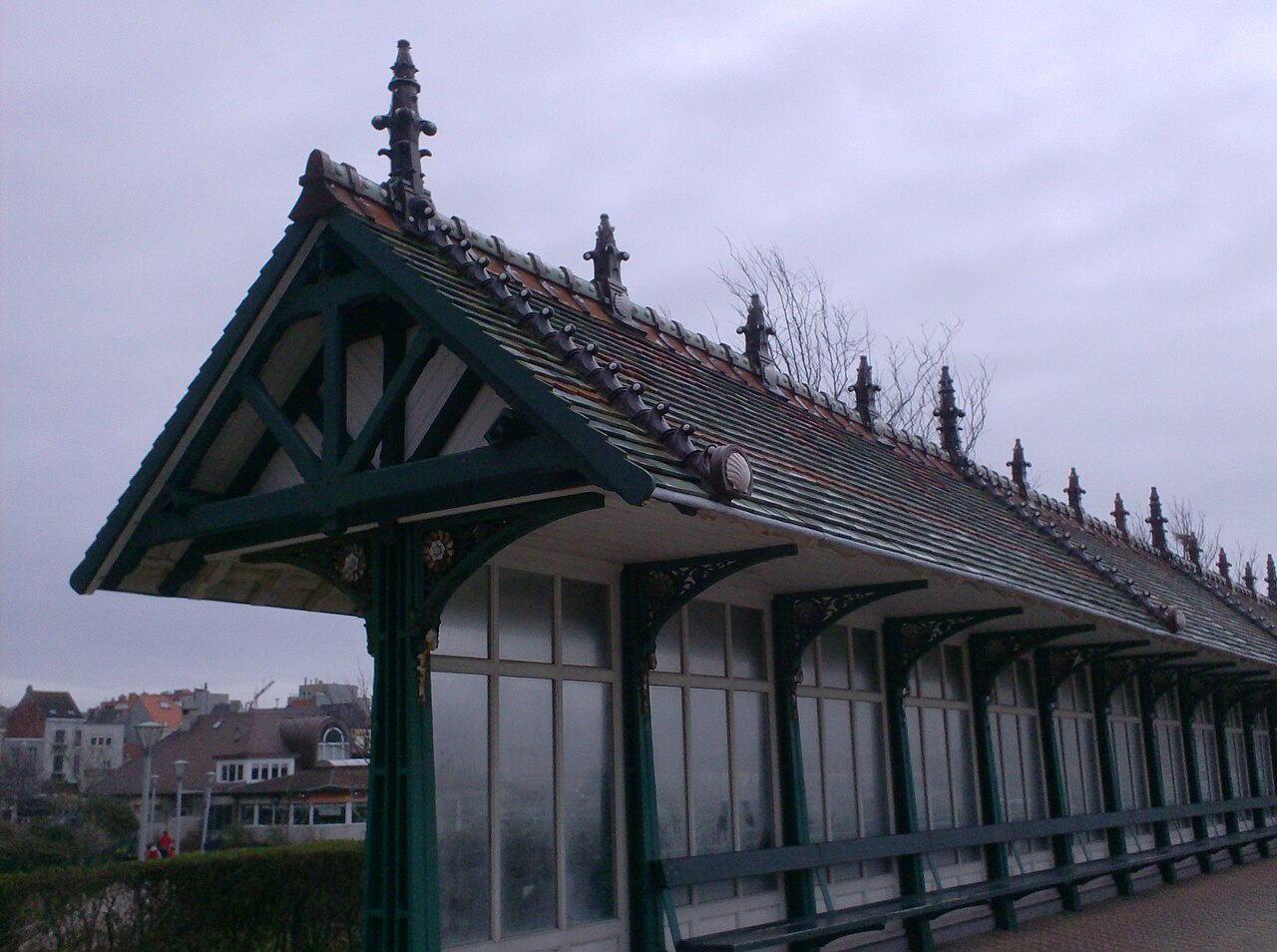
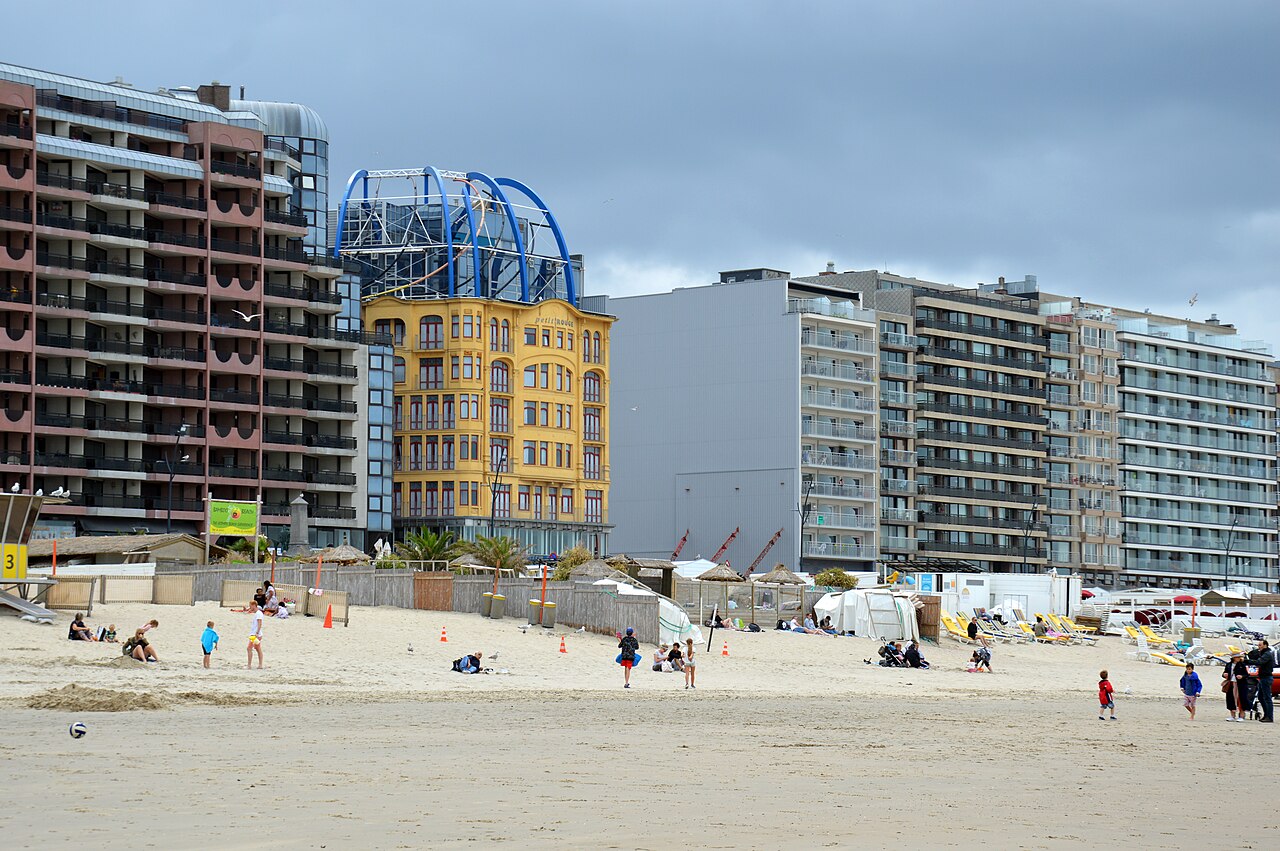
The Zeedijk is the heart of Blankenberge's social life. This sea dike doubles as a promenade lined with restaurants, ice cream shops, beach bars, and terraces. On summer evenings the boulevard comes alive with strollers, cyclists, and diners enjoying the sea breeze. The ornate Paravang — an art nouveau windscreen — is a beloved photo spot and reminder of the town's glamorous past.
Official Resources
- Visit Blankenberge — official tourism website
- Blankenberge municipality
- Blankenberge.com — comprehensive visitor guide